TYRE INNOVATION & SAFETY ENGINEERING
Behind every FALCON tyre is a deliberate integration of advanced compound chemistry, computer-modeled tread architecture, and systematic wet-road safety testing.
We focus on practical, non-exaggerated engineering outcomes: reducing stopping distances on slick asphalt, maintaining structural casing stability under load, minimizing rolling resistance for energy efficiency, and delivering progressive breakaway feel at cornering limits. Explore our four pillars of technology below to see how science translates directly into real-world road confidence.
ADVANCED RUBBER COMPOUND TECHNOLOGY
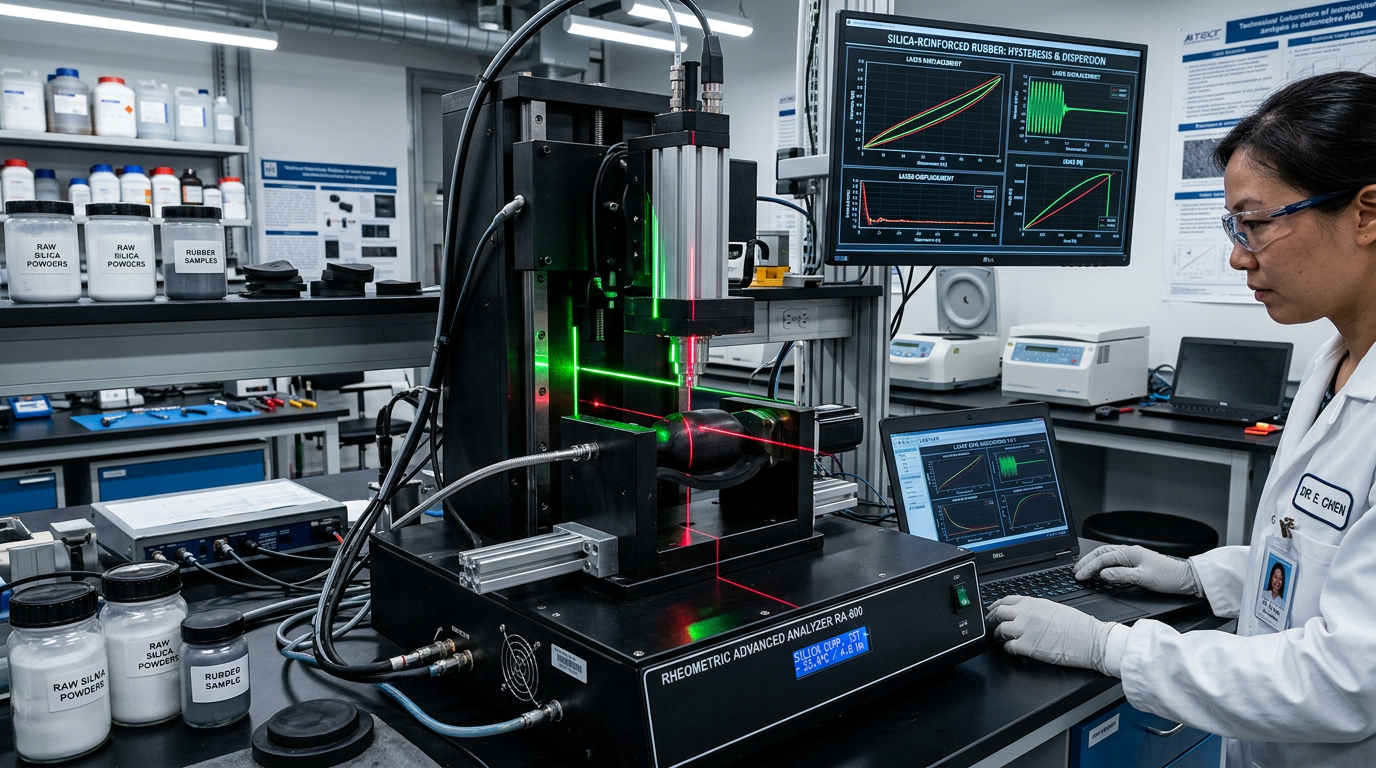
Our polymer matrix uses functionalized silica particles to optimize micro-contact with micro-rough road surfaces. This balances tread elasticity across wide temperature windows while controlling internal heat buildup during extended highway cruising.
- High-dispersal silica compound for wet grip and flexibility
- Heat-dissipating polymer chains for uniform long-distance wear
SAFETY ENGINEERING & WET ROAD STABILITY
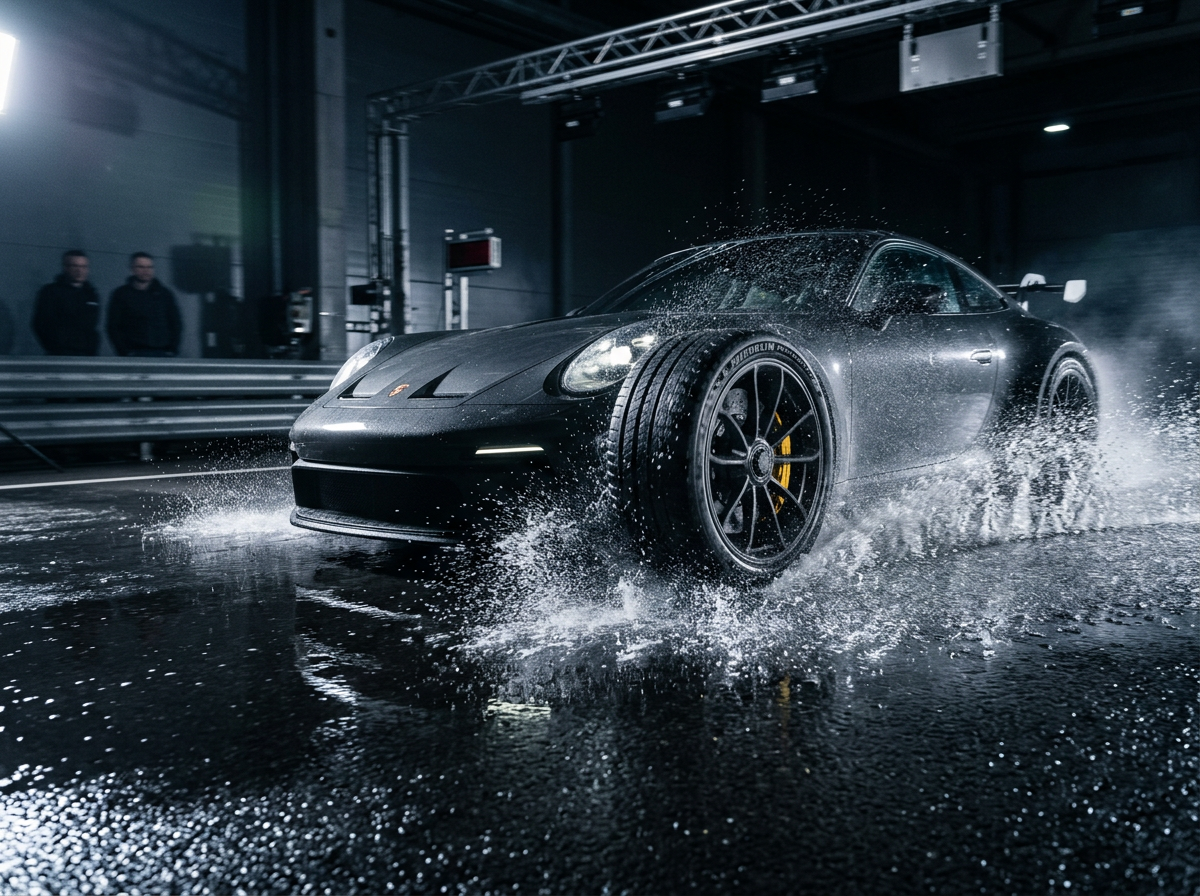
Hydroplaning resistance relies on wide circumferential drainage channels combined with directional lateral sipes. By channeling surface water away from the contact patch rapidly, FALCON tyres preserve mechanical adhesion during heavy downpours.
- High-capacity water displacement circumferential grooves
- Reinforced shoulder block rib rigidity for stable emergency braking
PROVING GROUND EVALUATION & TESTING
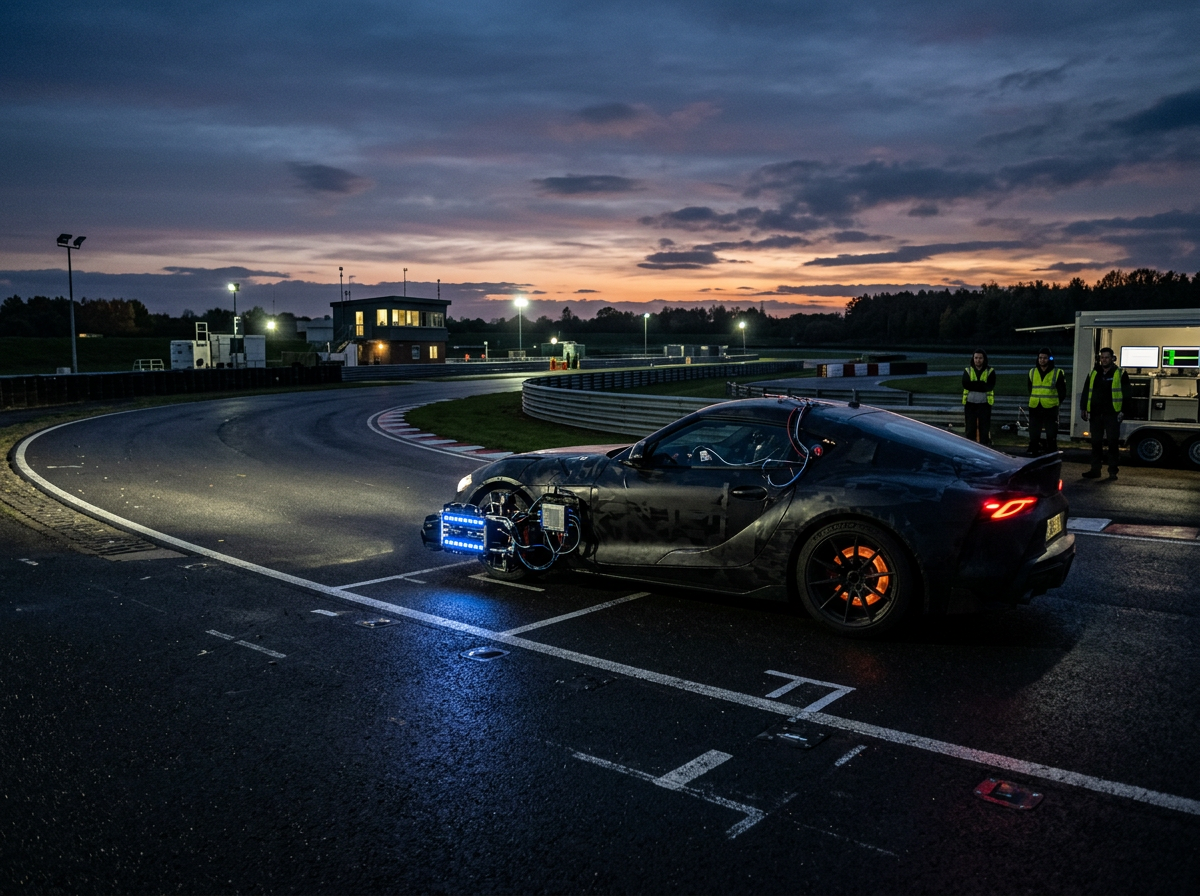
Every tread concept undergoes rigorous indoor dynamic drum testing for endurance, followed by outdoor proving ground track validation on dry handling circuits, wet skidpads, and rough noise-measurement tracks.
- Multi-frequency acoustic chamber testing for reduced cabin pitch
- High-speed directional stability evaluation under load
APPLY THIS ENGINEERING TO YOUR VEHICLE
Choose the FALCON tyre category engineered specifically for your driving demands.